See all articles


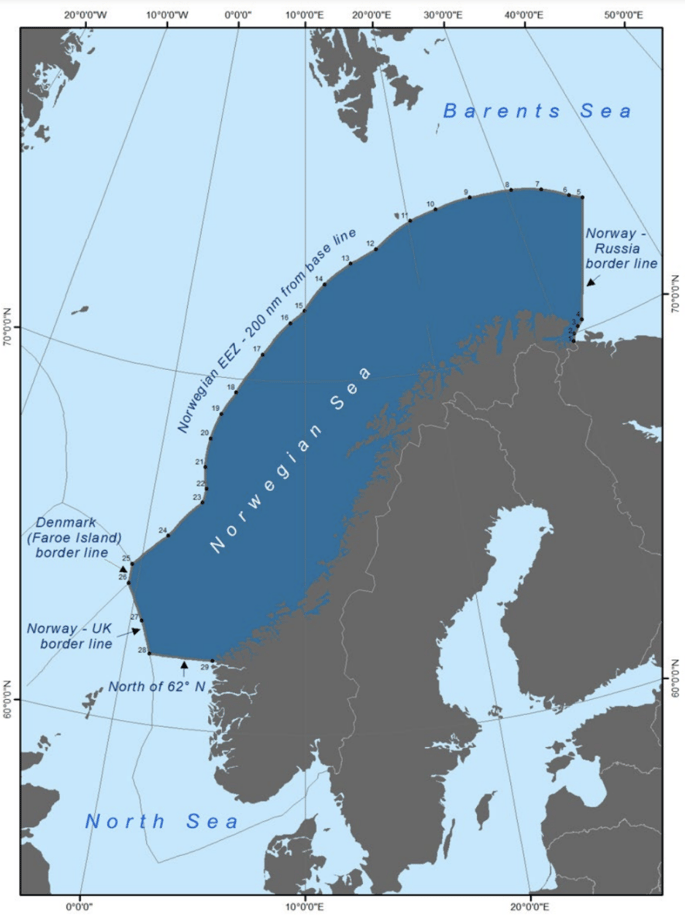
Stricter emissions requirements are no longer “something that’s coming” — they are already in force in several regions, and from 1 March 2026, the Norwegian Sea will also be subject to stricter NOx requirements (Tier III). For shipowners, yards and operators, that means one thing: NOx compliance must be built into engine and system decisions early — especially for newbuilds, major conversions and engine replacements.
What is IMO Tier III (NOx)?
IMO Tier III is the strictest NOx emissions standard under MARPOL Annex VI, Regulation 13. It applies to marine diesel engines (typically above 130 kW) and is enforced through certification and in-service verification in accordance with the NOx Technical Code 2008.
The most important point is this:
Tier III applies in designated NOx areas (NECAs)
Tier III is required only when a vessel operates inside a NOx Emission Control Area (NECA). Outside these areas, Tier II typically applies for the same vessel/engine configuration.
IMO defines the relevant areas and dates, including:
-
North American ECA and US Caribbean Sea ECA — Tier III for relevant vessels from 1 January 2016
-
Baltic Sea and North Sea — Tier III for relevant vessels from 1 January 2021
A key milestone close to home: the Norwegian Sea from 1 March 2026
IMO has adopted amendments that make the Norwegian Sea an ECA area where Tier III becomes relevant for new ships from 1 March 2026 (as reflected in IMO resolution MEPC.392(82), amending Regulation 13).
Why does Tier III exist?
The purpose is to reduce local and regional air pollution from shipping in areas where emissions have the greatest impact. NOx contributes to air quality issues and environmental effects in coastal regions. IMO has therefore chosen a model where the strictest requirements apply in designated control areas (NECAs), primarily for newer vessels.
What does it take to be compliant?
Tier III is not just about “installing a component.” Compliance has three pillars:
-
The right technical solution (often NOx aftertreatment)
-
The right certification and documentation (EIAPP + Technical File)
-
The right operational procedures and logging in ECA/NECA
Here’s what that looks like in practice.
Technology: How do you achieve Tier III?
Reaching Tier III typically requires measures beyond the engine itself — especially in diesel operation. The most common approaches are:
SCR / NOx ATS (Selective Catalytic Reduction)
SCR reduces NOx in the exhaust using a catalyst and a reductant (typically urea). It is a proven and widely used Tier III method, especially attractive when you need robust compliance across varying operating modes and load profiles.
EGR (Exhaust Gas Recirculation)
EGR reduces NOx by influencing the combustion process and is used in certain applications as a Tier III approach, depending on engine and system configuration.
(Which solution is best depends on operating profile, available space, temperature regimes, fuel type, service strategy and the level of system integration required.)
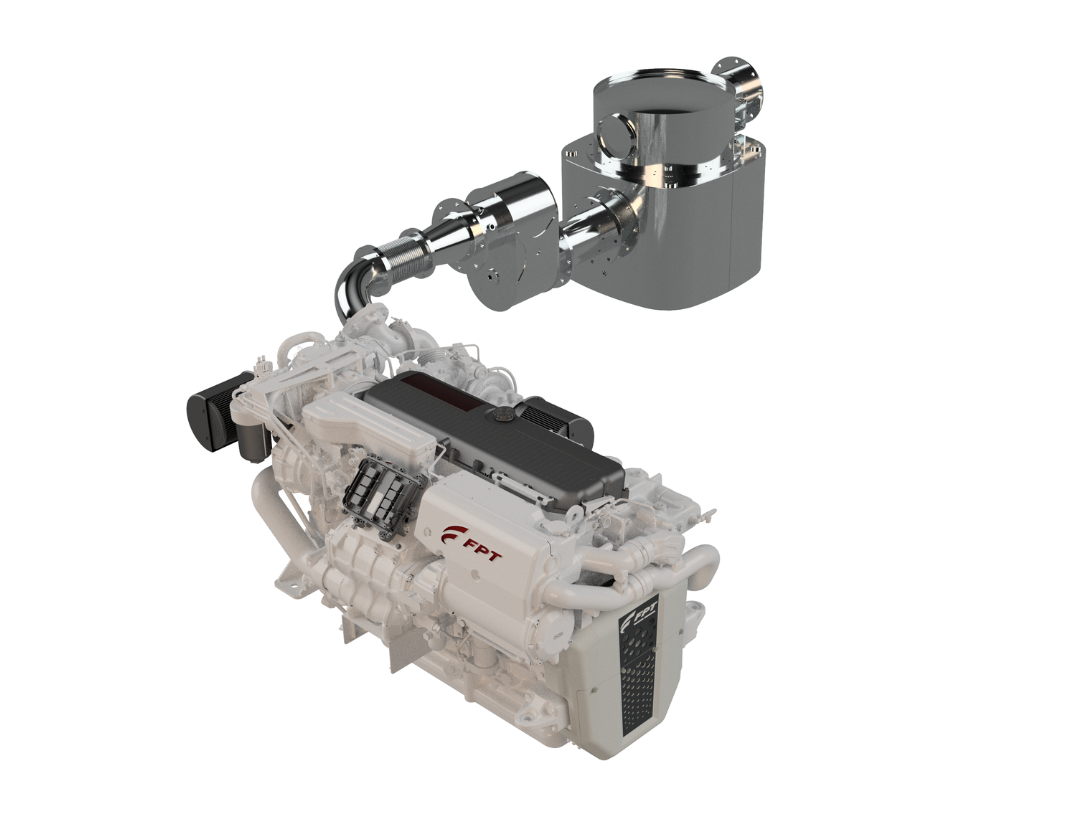
Photo: Nox ATS system from Frydenbø Forward on a FPT Engine.
Certification: EIAPP and the Technical File are the foundation
IMO’s framework requires engines covered by the rules to be certified under the NOx Technical Code. This is documented through:
-
an EIAPP Certificate (the engine’s certification)
-
an approved Technical File (defining NOx-critical components/settings and the approved configuration)
Why this matters: during inspections and surveys, the engine and system configuration is verified against the Technical File. Deviations can create compliance issues even if the installation “looks right.”
Operation and logging: what you do on board matters
Two areas are particularly important:
1. Record Book of Engine Parameters
The NOx Technical Code describes the Record Book of Engine Parameters used in the Parameter Check method to document changes to parameters/components that may affect NOx emissions.
In other words: when NOx-critical parts or settings are changed, you need traceability and control.
2.Log requirements in NOx ECA/NECA (Tier II/Tier III status)
IMO amendments (including MEPC.271(69)) introduce requirements to log the applicable Tier (II/III) and on/off status for relevant engines with date, time and position at:
-
entry to/exit from a NOx ECA/NECA
-
any change in on/off status while operating within the area
Practical checklist: How to get compliant
For newbuilds, conversions or NECA operations:
-
Confirm whether the vessel is covered (area + date + engine size).
-
Choose the compliance strategy (often SCR/NOx ATS or EGR).
-
Secure EIAPP and the correct Technical File for the chosen solution.
-
Establish procedures for the Record Book / parameter control.
-
Implement onboard operating routines and ECA/NECA logging.
Tier III in practice with FPT: What Frydenbø Forward delivers
When Frydenbø Forward delivers Tier III solutions tailored to FPT engines, our goal is to make compliance predictable, documentable and operationally robust.
A typical end-to-end delivery may include:
-
a NOx ATS / SCR solution sized for engine output and real operating profile
-
system integration with the engine, automation and monitoring (alarms, interlocks, operational logic)
-
a documentation basis that supports certification and surveys (aligned with NOx Technical Code requirements for Technical Files and parameter checks)
-
operational support: procedures for ECA/NECA operation and required logging
-
service and aftermarket support: parts availability, follow-up, and maintenance regimes adapted to real-life operation
In short: we help customers turn regulatory requirements into a solution that works in daily operations — and stands up to inspection.

What you should do now (our recommendation)
With 1 March 2026 as a clear milestone for the Norwegian Sea, we recommend that operators and yards planning newbuilds or upgrades clarify early:
-
the operating area and expected NECA exposure
-
engine selection and space/integration constraints
-
the documentation and certification pathway
-
onboard operating routines (logging, on/off status, parameter control
Sources and references (public documentation)
-
IMO — “Nitrogen Oxides (NOx) – Regulation 13 (MARPOL Annex VI)”
IMO’s official overview of Regulation 13, including Tier I/II/III, engine scope (>130 kW) and NECA applicability. -
IMO — Resolution MEPC.271(69)
Formal MARPOL Annex VI amendments introducing record requirements for operational compliance with NOx Tier III ECAs/NECAs (logging expectations). -
IMO — Resolution MEPC.392(82)
IMO resolution designating the Canadian Arctic and the Norwegian Sea as ECAs (incl. NOx) and setting entry-into-force on 1 March 2026. -
IMO — “Index of MEPC Resolutions and Guidelines related to MARPOL Annex VI”
IMO index page that consolidates key MEPC resolutions and circulars related to Annex VI (useful for traceability and cross-referencing). -
Norwegian Maritime Authority (Sjøfartsdirektoratet) — “Dieselmotor med effekt over 130 kW og krav til EIAPP-sertifikat”
Norwegian authority guidance on what documentation must be presented on request: EIAPP, IMO NOx Technical File, and Record Book of Engine Parameters. -
Norwegian Maritime Authority (Sjøfartsdirektoratet) — KS-0807BE “IAPP Air Pollution – Initial inspection”
Inspection checklist showing how compliance is verified in practice, including checks for EIAPP certification for engines over 130 kW and Tier II/Tier III relevance by operating area. -
DNV — “New ECAs for the Canadian Arctic, Norwegian Sea …”
Industry context and practical implications of the new ECAs and the 1 March 2026 entry-into-force (secondary summary, based on IMO amendments). -
Lloyd’s Register — Class News “05/2025: New Emissions Control Areas …”
Industry summary of new ECAs (incl. Norwegian Sea) and what they mean for owners/operators (secondary summary)