See all articles


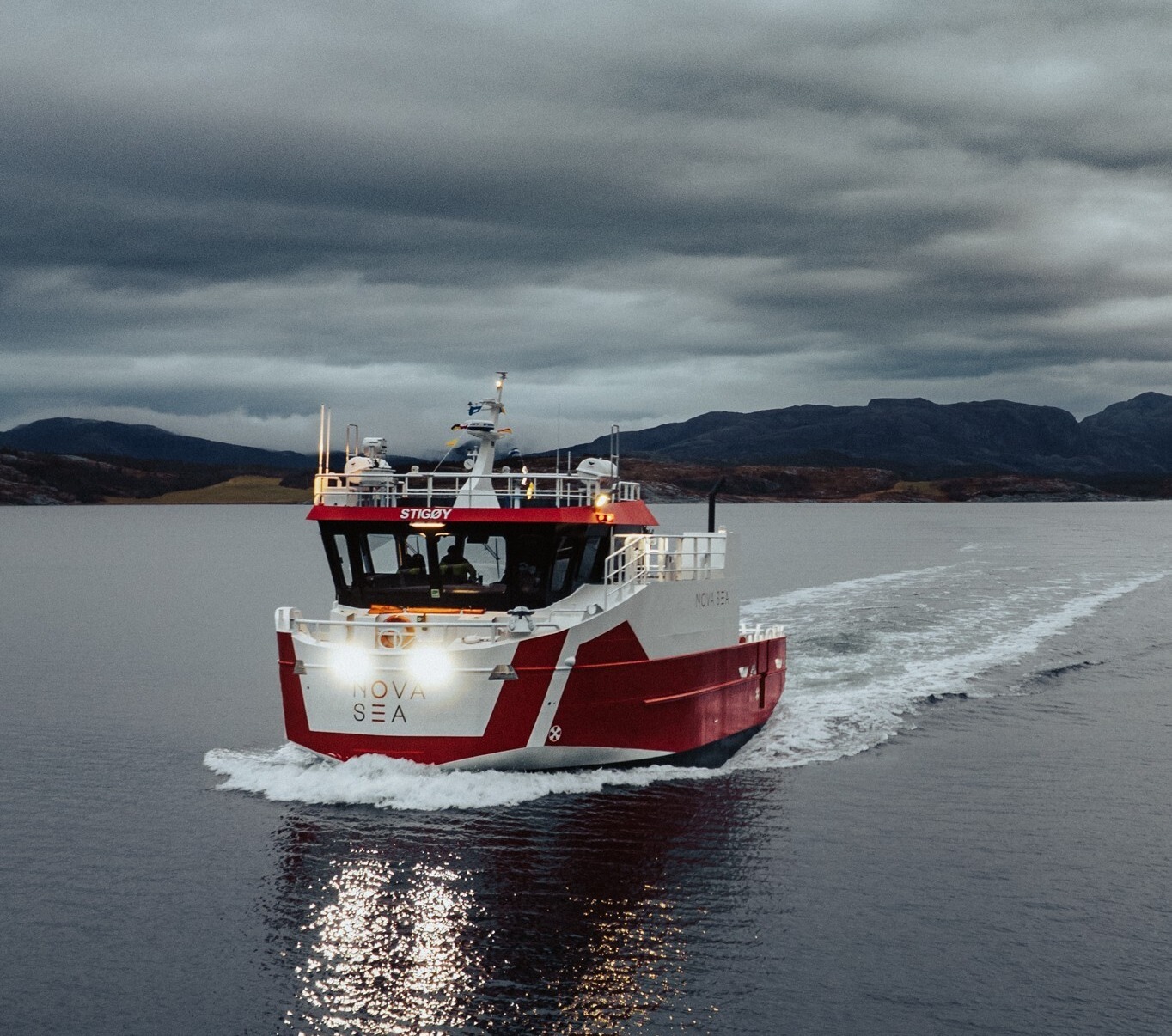
Choosing a propulsion system for a newbuild or retrofit affects fuel consumption, reliability, maintenance costs and which emission requirements the vessel can meet – for decades. Vessel type, operational profile and operating area all place different demands on the driveline.
This article covers the key considerations: regulations, diesel vs. hybrid vs. full-electric, system integration, retrofits and service. Frydenbø Forward and Frydenbø Elmarin, both part of Frydenbø Maritime Industries, together deliver the complete driveline – from engines, gears and aftertreatment to electrical systems, hybrid propulsion and automation.
Key takeaways
- IMO Tier III (MARPOL Annex VI, Regulation 13) sets NOx limits in Emission Control Areas (ECAs). Whether it applies to your vessel depends on operating area, contract or build date, and engine certification.
- The Norwegian Sea north of 62° N became an ECA on 1 March 2026. Tier III applies there to new ships from specific dates – not automatically to existing vessels.
- Operational profile, route length and vessel type determine whether diesel, hybrid or full-electric is the best fit.
- Every interface between engine, gearbox, switchboard and propeller suppliers adds project risk.
- Lifecycle cost, maintenance and service should carry as much weight as upfront investment.
- a building contract placed on or after 1 March 2026, or
- in the absence of a contract, keel laid on or after 1 September 2026, or
- delivery on or after 1 March 2030.
- Frydenbø Forward: engines, gears, generators, NOx aftertreatment and service.
- Frydenbø Elmarin: complete electrical and hybrid propulsion installations – from main switchboards and battery systems to bridge consoles, automation and navigation.
What is a ship propulsion system?
A propulsion system is the combination of machinery, transmission and control equipment that generates thrust. Configurations range from a single diesel engine driving a fixed-pitch propeller to diesel-electric setups with battery packs and multiple thrusters.
The choice shapes almost every other decision in the project: hull design, electrical load calculations, tank sizing and compliance strategy. It should be settled early.
How do emission regulations affect propulsion selection?
MARPOL Annex VI, Regulation 13 sets NOx limits for marine diesel engines above 130 kW in three tiers. The strictest, Tier III, applies only when a vessel operates inside a NOx Emission Control Area – and only to vessels built or contracted after specific dates.
The Norwegian Sea north of 62° N became an ECA on 1 March 2026, extending the North Sea ECA. Tier III applies there to ships with:
For existing vessels the picture is more complex. Major engine conversions and installation of additional or non-identical replacement engines may trigger new requirements. This must be assessed case by case against the vessel's build date, engine certification (EIAPP certificate and Technical File) and operating area – ideally with flag state and class.
Frydenbø Forward has developed NOx ATS together with Eminox: an SCR system for FPT Industrial engines from 3 to 15.9 litres. It reduces NOx emissions by more than 70%, weighs under 300 kg per engine including the urea tank, and can form part of a Tier III compliance strategy.
Diesel, hybrid or full-electric?
Diesel remains the standard for long-range, high-load operations with reliable bunkering. It is proven and backed by a mature service network.
Hybrid combines a diesel engine with an electric motor and batteries. The vessel can run on battery at low speed, in port or in transit, and use diesel at full load. This cuts fuel consumption, engine hours and maintenance – how much depends on the operational profile.
Full-electric suits vessels on short, fixed routes with shore charging – ferries, harbour craft and some aquaculture service vessels. Battery capacity, charging infrastructure and grid connection set the limits.
Why does system integration matter?
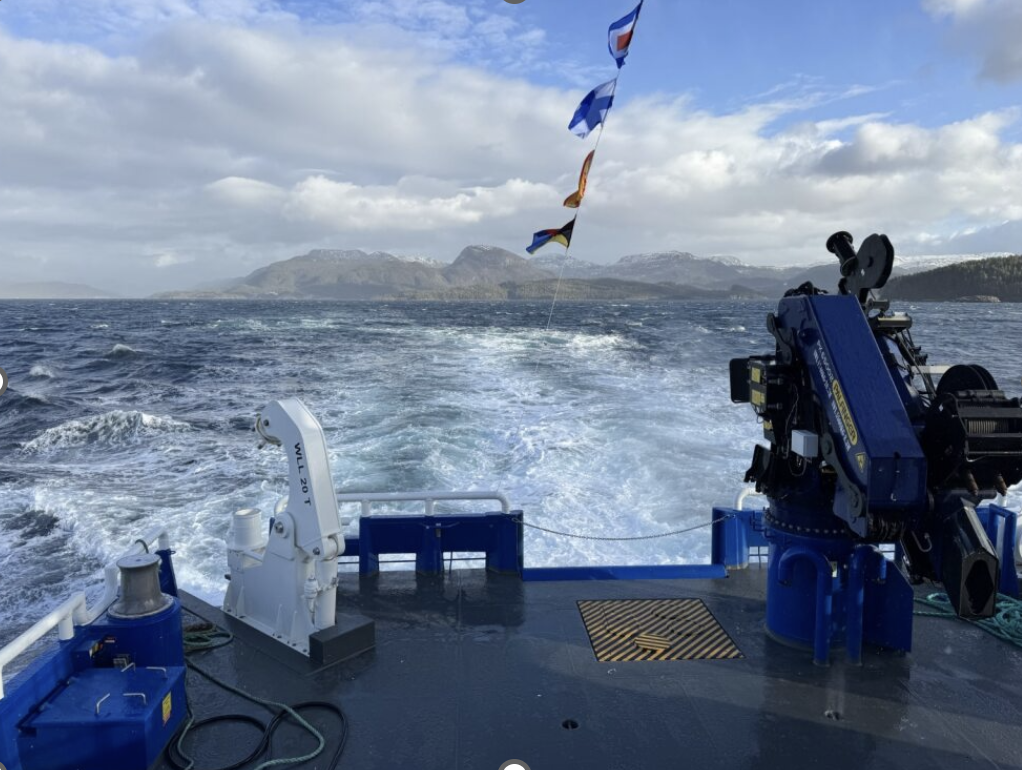
A propulsion system is not one component. It is engines, gearboxes, propellers, main switchboard, automation, battery management and navigation equipment. Every supplier interface is a point where delays, technical mismatches or warranty gaps can occur.
With one supplier responsible for the full driveline, there are fewer interfaces, a coherent system design and one accountable party for service and follow-up. Within Frydenbø Maritime Industries:
What should you expect in a retrofit?
A retrofit faces constraints a newbuild does not: engine room space, existing hull penetrations, foundations and electrical capacity.
Retrofitting SCR requires careful planning of space, exhaust routing and urea tank placement. Frydenbø Forward 3D-scans the engine room to find the best fit.
Hybrid conversions also require battery room ventilation, high-voltage safety, power management integration and class approval – all documented and coordinated between yard, owner and class society.
How to choose the right engine
Engine selection starts with the operational profile: power demand across load points, expected running hours, fuel availability and maintenance access. If Tier III applies to the vessel, the engine and any aftertreatment must carry the right certification.
Frydenbø Forward supplies FPT Industrial engines up to 735 kW (1,000 hp) as complete packages. For higher output, ABC engines from Anglo Belgian Corporation cover applications above 1,000 kW.
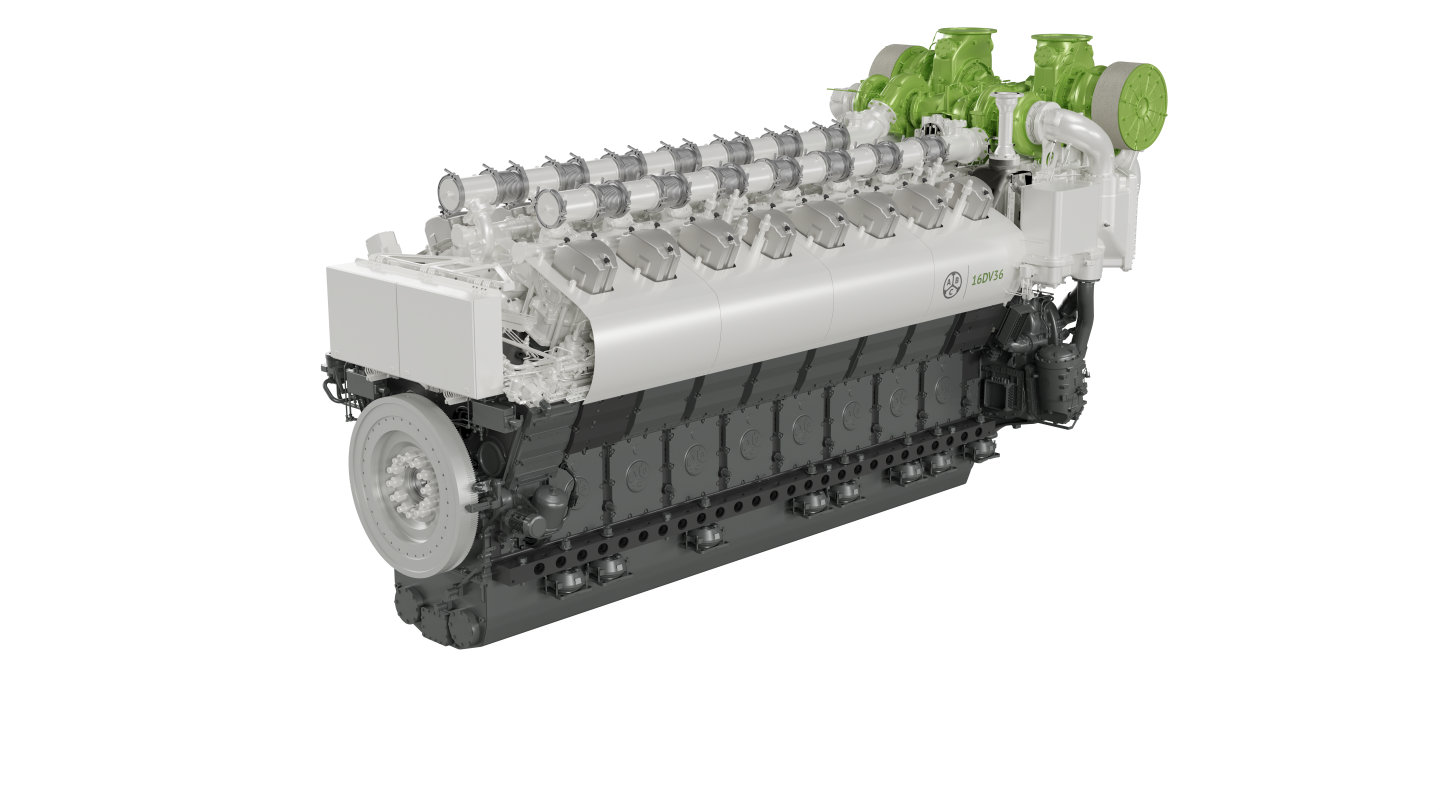 ABC Engine
The role of generators and batteries
Generators supply auxiliary systems, hotel load and – in diesel-electric configurations – the propulsion motors themselves. Sizing must cover peak demand, load steps and redundancy.
Batteries add an energy buffer for peak shaving, spinning reserve or zero-emission operation in port. A power management system (PMS) balances load between generators and batteries and reduces fuel consumption during transient demand. [
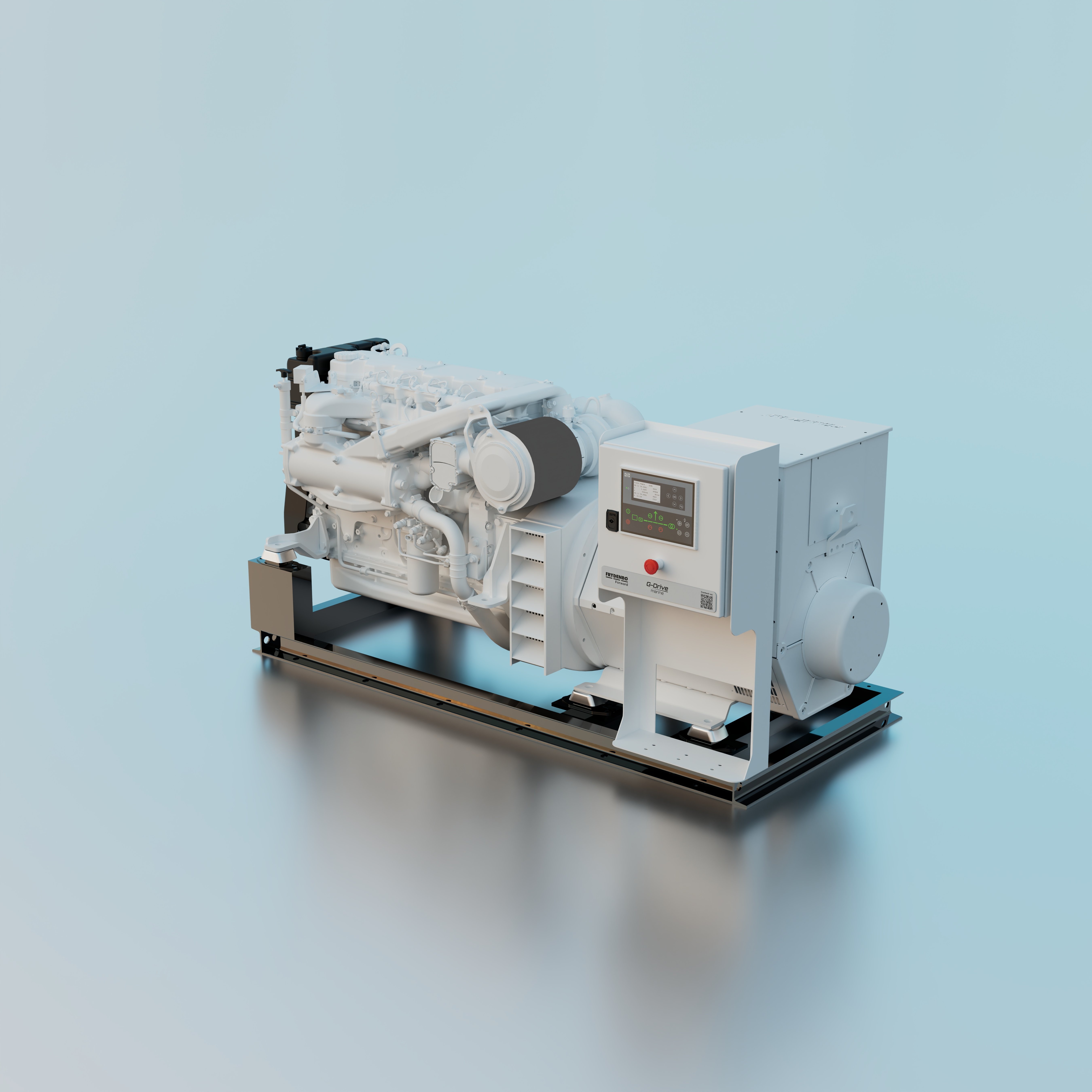
Marine G-drive developed by Frydenbø
What service should you expect?
Propulsion equipment operates for decades. Spare parts, qualified engineers and workshop capacity directly affect uptime, so the service network matters as much as the equipment.
Frydenbø Forward offers field service, workshops and turbo overhaul with dynamic balancing. When the same supplier handles installation and service, maintenance planning is simpler and responsibility is clear.
In conclusion
Propulsion selection is a technical decision with financial, operational and regulatory consequences across the vessel's lifetime. Emission compliance, integration, efficiency and service are the four cornerstones of a sound specification.
FAQ
What is the difference between Tier II and Tier III engines?
Tier III has significantly stricter NOx limits than Tier II and applies in NOx Emission Control Areas. It is met through engine measures or aftertreatment such as SCR, and the engine must hold an approved EIAPP certificate and Technical File for that configuration.
Do existing vessels in the Norwegian Sea have to meet Tier III?
Not automatically. Tier III in the Norwegian Sea applies to ships contracted from 1 March 2026, keel-laid from 1 September 2026 without a contract, or delivered from 1 March 2030. Major engine conversions or engine replacements must be assessed case by case.
Can an existing diesel vessel be converted to hybrid?
Yes, but it requires careful engineering of battery rooms, high-voltage systems and power management.
How does a single-supplier model reduce project risk?
Fewer interfaces mean fewer coordination gaps, a coherent system design and one party responsible for warranty and service.
When does full-electric propulsion make sense?
On short, fixed routes with reliable shore charging. For variable operational profiles, hybrid usually offers more flexibility.
Why does aftermarket service matter?
Because the equipment runs for decades. Parts availability, skilled engineers and workshop capacity decide how much time the vessel spends off hire.
Source:
- DNV – New ECAs for the Canadian Arctic, Norwegian Sea and North-East Atlantic Ocean: dnv.com/news/2025/new-ecas-for-the-canadian-arctic-norwegian-sea-and-north-east-atlantic-ocean
- UK P&I – New and upcoming Emission Control Areas: ukpandi.com
- ABS – Emission Control Areas: ww2.eagle.org
- IMO – Resolution MEPC.392(82): designation of the Norwegian Sea ECA
- IMO – Resolution MEPC.399(83): 2025 Guidelines on SCR systems
- IMO – MARPOL Annex VI, Regulation 13 (NOx)