See all articles


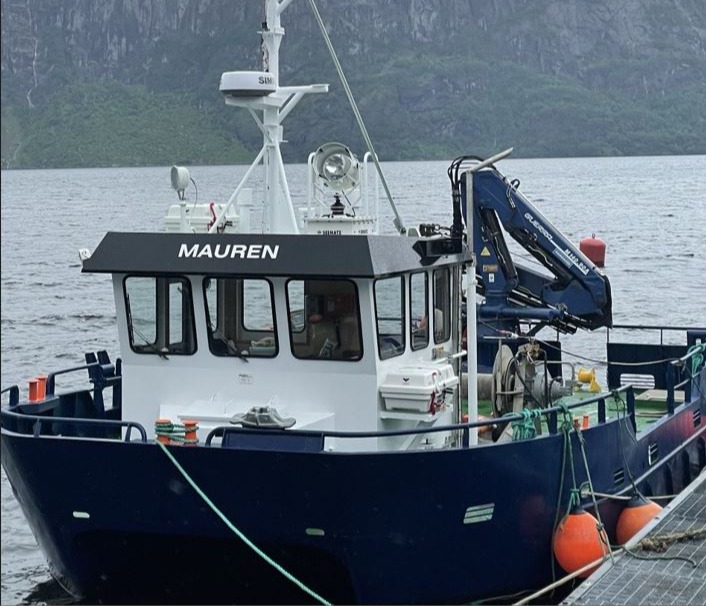
Retrofitting propulsion systems on existing vessels presents a complex challenge. Unlike new builds where engineers can design the entire power architecture from scratch, upgrades must work around established hull structures, electrical systems, and operational constraints. If you're considering a propulsion upgrade for your fleet, understanding these barriers will help you plan a realistic retrofit path.
Frydenbø Maritime helps vessel operators navigate these technical hurdles with turnkey propulsion solutions designed for existing vessel configurations. This article breaks down the key factors that make propulsion upgrades difficult and what you can do to assess your retrofit options.
Key Takeaways: What Makes Ship Propulsion Systems Hard to Upgrade
- Hull geometry and structural limitations often restrict the size and type of propulsion equipment you can install on existing vessels.
- Electrical capacity constraints require significant infrastructure changes when transitioning to hybrid or electric propulsion systems.
- Weight and balance calculations become critical when adding batteries, electric motors, or new engine configurations to your vessel.
- Frydenbø Maritime delivers complete turnkey propulsion systems with in-house engineering to reduce integration risk during retrofits.
Why Is Ship Propulsion Retrofit More Complex Than New Construction?
New vessel construction allows naval architects to design hull forms, machinery spaces, and electrical systems as an integrated whole. During a retrofit, you're working backward—fitting modern propulsion technology into spaces that weren't designed for it.
Engine rooms on older vessels often have limited headroom, narrow access passages, and structural members positioned where new equipment needs to go. Moving or modifying these elements is expensive and time-consuming. According to a SINTEF study on electric and hybrid ship power systems, integration challenges account for a significant portion of retrofit project costs and timelines.
What Structural Limitations Affect Propulsion Upgrades?
Your vessel's hull was built around a specific propulsion arrangement. The shaft line, engine foundations, and hull penetrations all follow this original design. Changing the propulsion system often means these elements no longer align properly.
For example, switching from a single large diesel engine to a hybrid system with multiple smaller power sources requires new foundation designs and potentially different shaft arrangements. The hull structure may need reinforcement to handle different vibration characteristics or weight distributions.
Stern tube bearings, rudder configurations, and propeller apertures also limit your upgrade options. A propeller designed for one engine speed won't perform optimally with a different power plant running at another RPM range.
How Does Electrical Capacity Limit Hybrid and Electric Conversions?
Traditional vessels were designed with electrical systems sized for navigation equipment, lighting, and auxiliary machinery. Hybrid and fully electric propulsion systems demand dramatically more electrical capacity—often ten times what the original installation could handle.
This means you may need to replace switchboards, cables, transformers, and distribution panels throughout the vessel. The cable runs for high-power systems require larger diameters and different routing than existing conduits allow.
Frydenbø Maritime addresses these challenges through tailored hybrid and electric propulsion solutions that include complete electrical system design. The company's engineering team uses 3D modelling to identify integration issues before installation begins, reducing errors and shortening delivery times.
What Role Do Weight and Balance Play in Propulsion Retrofits?
Every change to your vessel's machinery affects its stability. Battery systems for hybrid propulsion are heavy, and their placement directly impacts your vessel's center of gravity and trim characteristics.
Adding batteries in the wrong location could make your vessel less stable in rough seas or affect its draft beyond acceptable limits. You need detailed weight studies and often physical stability testing before proceeding with major propulsion changes.
This is where integrated system suppliers prove valuable. Rather than coordinating between separate engine, battery, and electrical vendors, working with a single supplier simplifies weight calculations and ensures all components work together as designed.
How Do Emission Regulations Complicate Propulsion Upgrades?
IMO Tier III and EU Stage V emission requirements add another layer of complexity to propulsion retrofits. You can't simply install a new engine—the entire exhaust aftertreatment system must also fit within your existing machinery space.
Selective Catalytic Reduction (SCR) systems and diesel particulate filters take up room that older vessels don't have. These systems also require urea storage tanks and additional piping that must be integrated into your retrofit plan.
Frydenbø Maritime offers NOx reduction systems developed in collaboration with Eminox that address these space constraints. These solutions are designed for predictable compliance, helping you meet regulations without major structural modifications.
What Operational Challenges Arise During Propulsion Retrofits?
Your vessel generates revenue when it's operating, not when it's in the yard. Extended retrofit periods directly impact your bottom line, making project duration a critical consideration.
Complex retrofits involving multiple vendors and subcontractors often experience delays due to coordination issues. When the electrical contractor is waiting for the engine installer, or the automation integrator needs the battery system in place first, schedules slip quickly.
This challenge is why turnkey propulsion suppliers have become popular for retrofit projects. When one company handles everything from design to installation, there are fewer handoff points where delays can accumulate.
How Can You Assess Your Vessel's Retrofit Potential?
Before committing to a propulsion upgrade, gather detailed information about your vessel's current configuration. Obtain the original construction drawings, including machinery arrangement plans and electrical schematics.
Conduct a thorough survey of the engine room to identify what's changed since construction. Many vessels have had modifications over the years that aren't reflected in the original plans. Understanding your actual current state is essential for accurate retrofit planning.
Consider engaging a propulsion system specialist early in the planning process. An experienced integration partner can identify potential obstacles before they become expensive surprises during installation.
What Questions Should You Ask Propulsion System Suppliers?
When evaluating retrofit options, ask suppliers about their experience with similar vessel types and operational profiles. A supplier who has retrofitted fishing vessels may not have the right expertise for your offshore support vessel.
Request information about their engineering capabilities. Can they produce detailed 3D models of the proposed installation? Do they have experience working with classification societies on retrofit approvals?
Also clarify service and support arrangements. Propulsion systems require ongoing maintenance, and having local service access along your vessel's operational routes reduces downtime when issues arise.
In Conclusion: Planning a Successful Propulsion System Retrofit
Upgrading maritime propulsion systems on existing vessels involves structural, electrical, weight, and regulatory challenges that require careful planning. The complexity of integrating modern propulsion technology into older vessel designs explains why many operators work with turnkey suppliers who can manage the entire process.
Frydenbø Maritime brings decades of experience in propulsion system integration, with complete solutions from design through installation. If you're considering a propulsion upgrade for emission compliance or improved efficiency, starting with a detailed assessment of your vessel's retrofit potential will help you identify the most practical path forward.
FAQs About Ship Propulsion System Upgrades
Why Are Hybrid Propulsion Retrofits More Complicated Than Engine Replacements?
Hybrid retrofits require extensive electrical system upgrades in addition to mechanical changes. You need to install battery systems, power management controls, and often larger switchboards—all while ensuring the vessel's weight distribution remains safe. Traditional engine replacements work with existing electrical infrastructure.
How Long Does a Typical Maritime Propulsion Retrofit Take?
Retrofit duration varies widely based on scope, but expect several months of yard time for major propulsion changes. Frydenbø Maritime's approach of using 3D modelling during the design phase helps reduce installation time by identifying issues before the vessel enters the yard.
Can Any Vessel Be Retrofitted With Electric Propulsion?
Most vessels can accommodate some form of electrification, but practicality depends on available space, weight margins, and operational requirements. Vessels with longer periods at dock or predictable routes often make better candidates for electric or hybrid conversion.
What Emission Standards Must Propulsion Retrofits Meet?
Propulsion retrofits must meet current emission regulations, including IMO Tier III requirements for NOx in designated emission control areas. Frydenbø Maritime delivers propulsion solutions that meet IMO Tier III and EU Stage V requirements, ensuring your upgraded vessel remains compliant.
What Determines If a Vessel Is a Good Candidate for Propulsion Upgrade?
Good retrofit candidates typically have adequate machinery space for new equipment, electrical systems that can be expanded, and operational profiles that benefit from the upgrade. An assessment from an experienced propulsion system integrator can help you evaluate your vessel's specific potential and identify the most cost-effective upgrade path.