See all articles


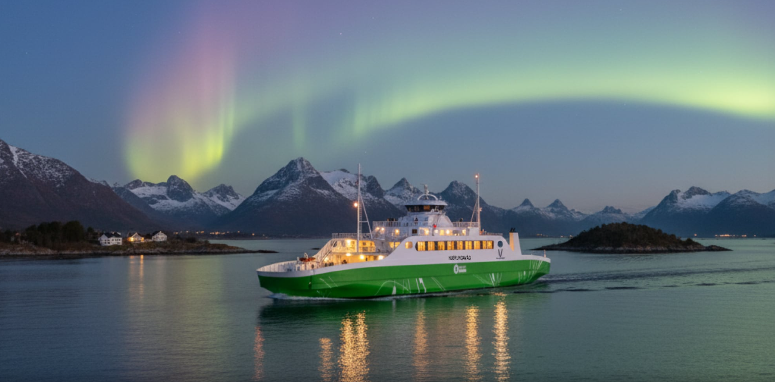
Frydenbø Elmarin has entered into a contract with Vestlandske Trafikk for the delivery of complete propulsion systems for two ferries that will be converted to fully electric operation in the Geirangerfjord. The project comprises a total battery capacity of 17 MWh and represents one of the largest single contracts Frydenbø Elmarin has secured within maritime electrification.
The battery systems will be supplied by Nereida Energy, while Frydenbø Elmarin will have overall responsibility for the system delivery, integration, and interaction between batteries, propulsion, charging, and other onboard energy systems. The ferries are scheduled to enter service as zero-emission vessels from the 2026 season.
An important contract for Frydenbø Elmarin
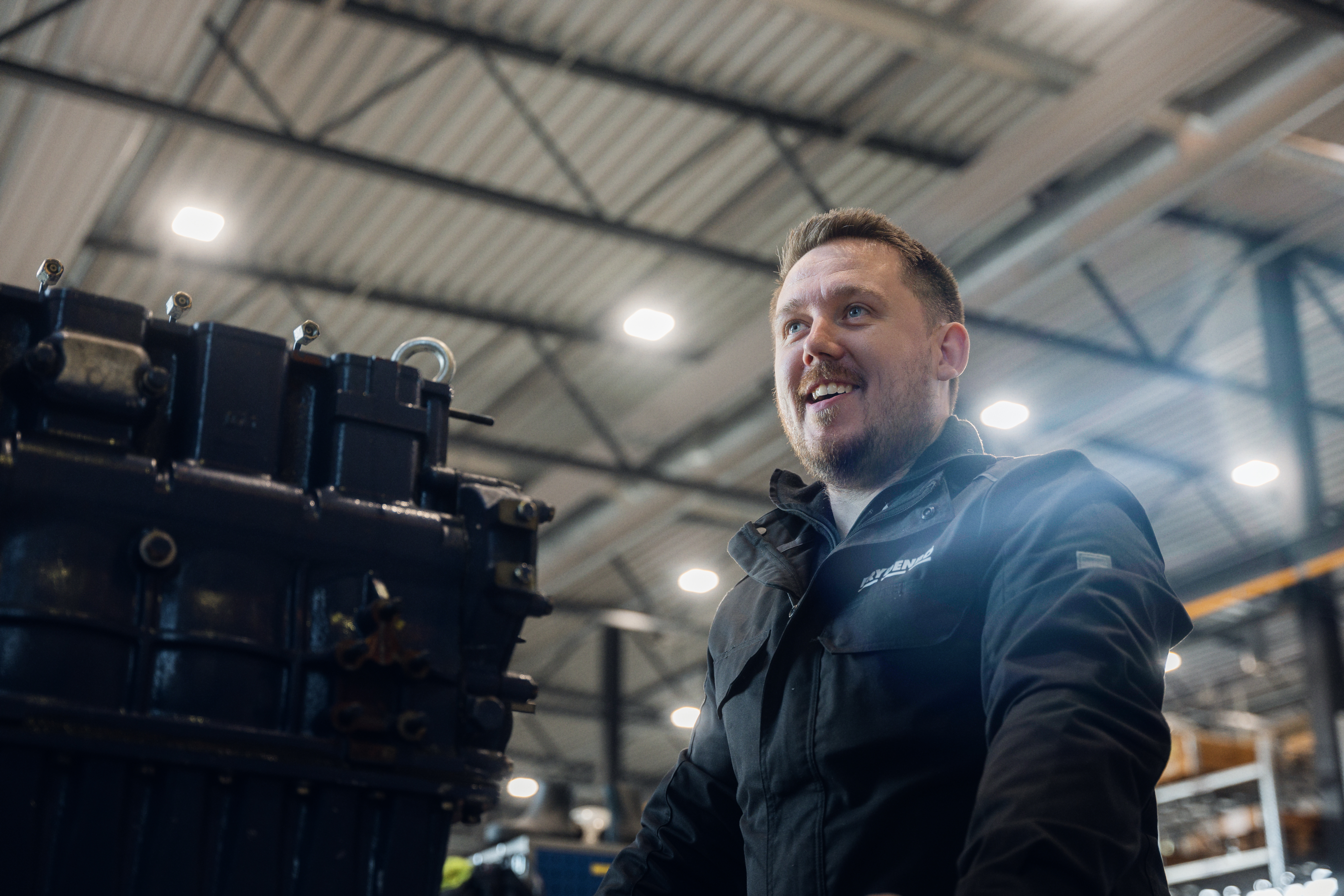
“This is a major and strategically important contract for Frydenbø Elmarin. The project places high demands on technical quality, operational reliability, and system integration—particularly considering the large amount of energy required. This is our core competence, and we look forward to starting the project,” says Geir Gustad, CEO of Frydenbø Elmarin.
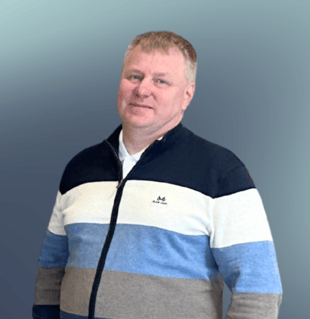
Photo: Geir Gustad, CEO, Frydenbø Elmarin
A project that demonstrates the strength of collaboration
Stig Trygve Andersen CEO Frydenbø Maritime Industries, highlights the broader significance of the project:
“This project demonstrates how we can deliver zero-emission solutions in regulated areas such as the Geirangerfjord. Frydenbø Elmarin combines solid maritime experience with technology and strong execution capabilities. At the same time, the collaboration with Vestlandske Trafikk AS and Nereida Energy is an excellent example of how stakeholders across the value chain can jointly realize the green transition.”
![Stig_Trygve_Andersen_4[1]](https://www.frydenbo-maritime.no/hs-fs/hubfs/Stig_Trygve_Andersen_4%5B1%5D.jpg?width=316&height=231&name=Stig_Trygve_Andersen_4%5B1%5D.jpg)
Photo: Stig Trygve Andersen, CEO Frydenbø Maritime Industries
For Vestlandske Trafikk AS, the project is an important part of the further development of the fjord service in the Geirangerfjord.
“Our goal is to deliver a tourism product that takes care of the environment, our guests, and the long-term interests of the area. Zero-emission operation and increased capacity provide more efficient operations and a better overall onboard experience. This is important for the tourism industry, but also for the area as a whole,” says Øystein Meek, Managing Director of Vestlandske Trafikk AS.
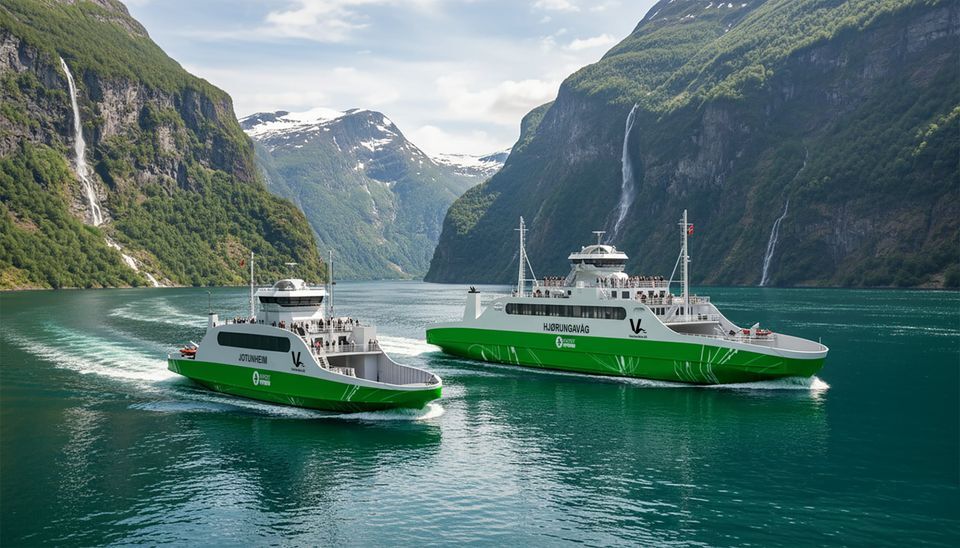
Photo: MF Hjørungvåg and MF Jotunheim will be electrified. (Photo credit Vestlandse AS)
Zero-emission operation in a UNESCO World Heritage area
The Geirangerfjord is part of UNESCO’s World Heritage List, and the project aligns with national targets for emission-free domestic shipping. The electrification will reduce emissions from ferry operations by approximately 2,600 tonnes of CO₂ annually, enabling further development of the fjord service without increasing environmental impact.
The project is supported by Enova and is based on the conversion of existing vessels rather than newbuilds—a deliberate choice that combines sustainability, resource efficiency, and effective project execution.
Project facts
-
Two existing ferries converted to zero-emission operation
-
Total battery capacity: 17 MWh
-
Emission reduction: approx. 2,600 tonnes of CO₂ per year
-
Operation in a UNESCO World Heritage area (Geirangerfjord)
-
Silent, fully electric propulsion
-
Supported by Enova